
Early Years
Early years educators play an invaluable role in ensuring young children are active participants in living sustainably
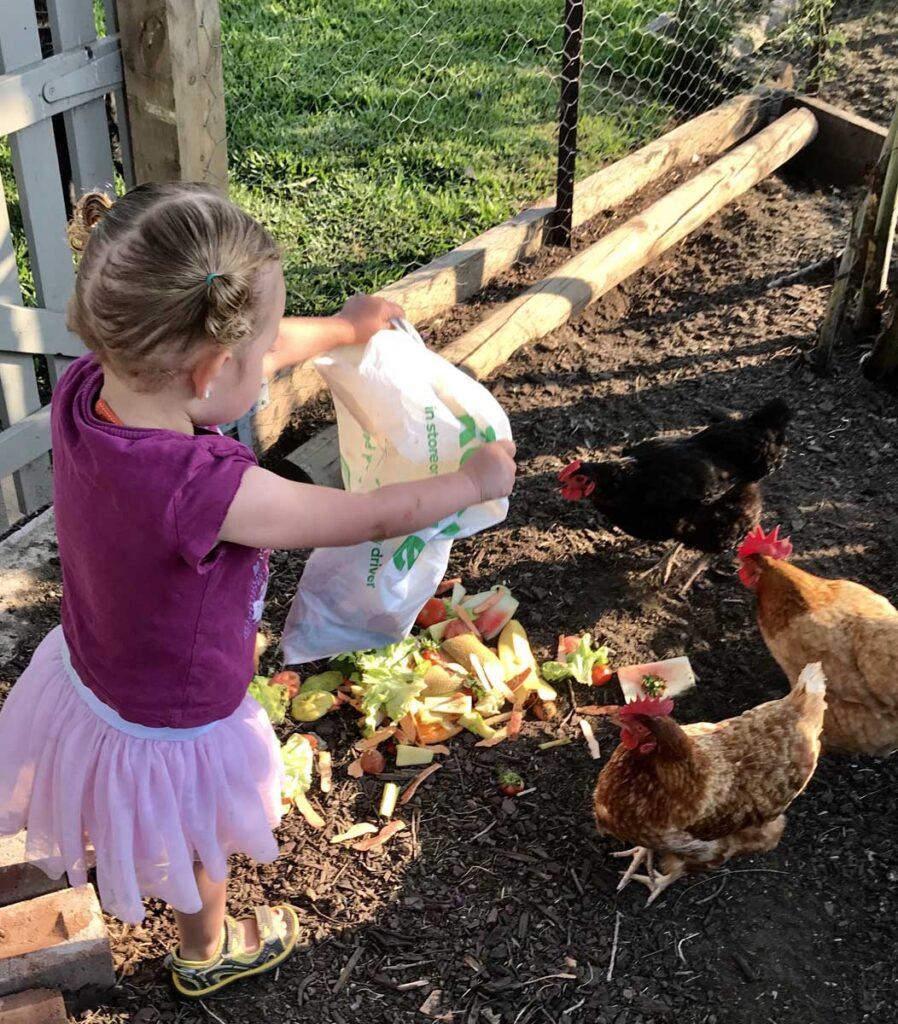
Early years educators play a powerful role in shaping how children understand and care for the Earth and all that is in it. Embedding sustainability into early childhood services means weaving environmental responsibility, social equity, economic and political awareness into the fabric of everyday practice. It’s more than just recycling, it’s about nurturing children’s connection with the natural world, fostering a sense of agency, and modelling thoughtful decision-making. From nature play and waste reduction to family engagement and community projects, sustainable practices can be embedded across curriculum, operations, and culture.
By taking a whole-of-service approach, educators can empower young children to care for people, place, and planet, now and into the future. Early childhood education for sustainability (ECEfS) is understood to be ‘a transformative and empowering process actively engaged in by children, families and educators who share an ecocentric worldview’ (Elliott, 2014). A holistic approach to early childhood ECEfS involves sustainable practices, people and pedagogy.
EE NSW is supporting early childhood educators through:
- professional learning seminars and conferences
- good practice case studies
- advocacy and engagement in cross sectoral strategies
Resources
- ACECQA blogs on the new sustainability principle in the Early Years Learning Framework (AGDE, 2022).
- In support of the new sustainability principle in the Early Years Learning Framework (AGDE, 2022), ACECQA has shared a sustainability information sheet for educators.
- The Asia-Pacific Region Early Childhood network has a number of papers on climate change and children.
- ‘Sustainability from the Start’ is on the ECE Academy App (AppStore/Google Play) and offers eight learning modules around sustainability for early childhood educators. Launched in September 2023 it is freely available in multiple languages and developed in collaboration with Kristianstad University, OMEP Europe and edChild.
- The New Zealand Te Whariki EC curriculum is inclusive of sustainability and useful resources are available via this government website.
- EYLF v2.0 Sustainability Principle, EC Learning Circle Webinar, EEEC
- Australian Early Childhood Sustainability Alliance
Sustainability audit tools
- Sustainability audit early learning, Cool Australia
- Waste Audits, Toddle
- Bin Trim, NSW EPA
- Bin Trim/Cool Planet Early Childhood Audit, Cool Planet
Sustainability Case studies
- Considering food waste: Leading change for sustainability, Mel Elderton, Explore & Develop Annandale, Vignette prepared for EENSW professional development training, EENSW You Tube
- Sustainability at Kids Uni North, Emma Rattenbury, Kids Uni North, University of Wollongong
- Vignette prepared for EENSW professional development training, EENSW You Tube Reducing plastic waste at Mt Ousley, Waste Reduction at Kindy Korner, Eco Smart Program case study
- Standard 3.2 Case study, ACECQA.
UN Sustainable Development Goals
- Learning about sustainable development from an early age, United Nations online resources
- Introducing younger children to the goals (ages 4-8), World’s Largest Lesson
Nature play and sustainability are essential for fostering a deep connection between people and the environment. Australian immersive nature play programs (INPPs), sometimes known as ‘bush kinder’ or ‘nature play’, occur when children are provided with the opportunity to engage in child led, nature led and adult guided play in nature. INPPs invite children into a living relationship with the world around them. Through mud, water, sticks, stones, and stories carried by Country, children learn with their whole bodies, building curiosity, resilience, creativity, and care.
Nature play nurtures a deep sense of belonging and responsibility, honouring First Nations understandings that the land is a teacher and that all living things are connected. There is a strong research base to support the benefits of play in nature for children. Cited benefits include the following; health and wellbeing; increased social, physical and language skills; increased motivation, concentration, creativity, resilience and confidence; a sense of wonder, creativity, and problem-solving skills and deeper conceptual understandings and respect for the natural environment with early and meaningful connections perhaps leading to a stronger sense of sustainability later in life.
A fundamental feature of INPPs is that children and educators spend long uninterrupted periods of time on a regular basis in natural settings outside the usual service. Some programs might prefer having children and educators in one designated space, while others might prefer that educators and children walk to a site, with playful interludes along the way (Hughes et al., 2022). Children experience new ways of connecting with each other and nature. Lastly, nature play also provides opportunities for children to connect in meaningful ways to the local community, First Nations Peoples perspectives and Western and Indigenous seasonal changes.
Case studies
As part of the Take Me Outside NSW program, early childhood services shared their stories about how they were delivering immersive nature play programs. Every service and provider had a great story to tell, captured in these case studies.
- Bush School at Centennial Parklands
- Bush Preschool at Keiraville Community Pre School
- Nature Connections at Cullunghutti Aboriginal Child and Family Centre
- Nature Play Wednesday at Ngaarrila Preschool, Kalang
- Connecting with nature in the city, Explore & Develop Annandale
- Outdoor playgroup with Bush Balance
- Beyond the Kindy Gates with Paddington Childcare Centre
Supporting guidelines
- ACECQA (2021) The legislative requirements of an in Nature program
- ACECQA (2021) The how and why of in Nature programs
- AGDE (Australian Government Department of Education) (2022). Belonging, Being and Becoming: The Early Years Learning Framework for Australia (V2.0). Australian Government Department of Education for the Ministerial Council.
Resources and websites
- Hughes, F., Elliott, S., Anderson. K. & Chancellor, B. (2022). Early years learning in Australian natural environments. Oxford University Press
- ACECQA articles, The Value of Outdoor Learning(2020), Exploring and Connecting with Nature (2016), Bush Kinder(2017) Beyond the Fence (2016), Sustainability in children’s education and care (2016)
- ABC Education, Bush Kinder: nature, wellbeing and resilience
- Department of Education & Training (VIC) Bush Kinders. Webpage includes information on planning, selecting a site, deliver a program.
- Endless Play Studio
- Cutter MacKenzie et al (2021) Children learn science in nature play long before they get to school classrooms and labs, The Sector article.
- Child & Nature Research Library, Curated and summarised peer-reviewed scientific literature that makes the case for connecting children with nature, Children & Nature Network (USA).
- Learning through Landscapes, library of research that supports how enhanced outdoor learning and play benefits children and their environment (UK)
- Centennial Parklands (2021) Nature Play for NSW: Insights and Recommendations; The Book of Bush School
Planting Seeds B& B Highway people, pollinators, plants. Planting Seeds work to protect and enhance the natural environment by engaging people in urban, peri-urban and regional settings to plant and augment native vegetation that supports endangered pollinators, sustainability and biodiversity.
These NSW ECEEN case studies were developed as part of their EcoSmart program
- Native Bee Hives: Balgownie & Hospital Hill
- Sustainable Gardens: Bonnyrigg Heights, Janice Crosio ELC
- Community Gardens: Cabramatta & Short St
- Wildthings: Casula
- Playground to Plate: Kids Uni, UOW
Embedding waste and sustainability practices in early childhood settings is about creating meaningful opportunities for children to learn how their everyday actions impact the environment. It goes beyond sorting recyclables; it’s about fostering a culture of respect, responsibility, and care for the world around us. Through hands-on experiences like composting, reusing materials, reducing single-use plastics, and involving children in waste audits, services can build awareness and lifelong habits. By embedding these practices across curriculum, routines, and family partnerships, early childhood services become powerful hubs for environmental change and stewardship.
EENSW delivered a professional learning support program Tackling waste in your early childhood service was delivered as part of the 2019 – 25 Midwaste Green Leaders program, supported by Return and Earn.
If you are an educator looking to refuse, reduce and reuse waste in your service, these online resources may be useful:
- War on Waste ABC TV program
- Cool Australia Waste Education teaching resources
- Waste Education QLD: Managing waste in your kindergarten
- Return and Earn Curriculum Resources
- Early childhood waste wise kit, Netwaste
- Sustainable Schools NSW Waste Curriculum teaching resources
- Little Green Steps, Guide of Early Childhood Educators
- Kimbriki Eco House – Early Childhood Hub (Composting, Worm Farms, Activities)
- Midwaste Green Leaders Program
- Little Green Steps WA
- War on Waste Microplastics Fast Fashion article
Food waste
- Reducing food waste in an early childhood service, Aussie Childcare Network
- Let’s talk about food waste with a Sustainability Lens, KU Children Services
- Reducing food waste at your service, HEAS Victoria
- Nude Food Lunchbox Challenge, Wipe Out Waste SA
- Magic Lunchbox (story and audiobook)
- Fuss Free Mealtimes, Northern NSW LHD
- Waste Free Lunch Guide, Schools Recycle Right
- Food Waste Warriors, World Wildlife Fund, US program, some useful resources
- OzHarvest, FEAST education resources
- Kitchen Garden | SOS: Save our scraps! Kitchen Garden Foundation
- Food waste at your school, Sustainable School NSW resources
Plastics
- What would a plastic free ECE look like? The Sector, 2019.
- Toxins hidden in plastics are the industry’s dirty secret, Guardian Australia, 2023
- Ditch brightly coloured plastic, anti-waste researchers tell us, Guardian Australia, 2024
- Rise of e-commerce websites and the end of traditional toy stores, ABC news, 2024
Purchasing
- Green Purchasing Policy Template, Resource Smart Schools Victoria
- Sustainable Procurement Guide, Australian Government
- Environmentally Sustainable Procurement, NSW Government training course for procurement practitioners
Disposable & cloth nappies
- Poos, wees, nappies, Raising children.net, 2024
- Reusable nappies can reduce the environmental footprint of parenting, but only if they are used with care, The Conversation, 2023
- Build houses out of used nappies scientists urge, The Guardian, 2023
- Cloth nappies switch early childhood service, The Little Sprouts Program
- Nappy free children earlier! OMEP
- Disposable baby nappies, the waste item we can avoid Coffs Waste Coast Conference presentation, 2021, Emma Aver
- Case study, Switching to environmentally friendly nappies at your ELC
Cleaning & Paper towel
- HCP cleaning solutions
- Paper towels vs Cloth towels, which is better?, Eco friendly minimalist
- Wiping our waste with cloths in early childhood enviroschools, Enviroschools NZ
- A discovery project, a story of change and possibility, KU 2022
Recycling
- Top 10 tips for recycling right in early childcare settings, Little Sprouts program
- The amazing journey of your recyclables, big book series, Wipe Out Waste SA
- How to find the most sustainable and long lasting childrens toys, the Conversation
- Curious kids, why can some plastics be recycled but others cant, The Conversation
- Build a herb tower using an old trolley, Gardening Australia
- Getting creative with plastic waste solutions, ABC
- Upcycling inspirations, CELA
- Raising children to thrive in a climate changed world, Australian Psychological Society
- Climate Change Empowerment Handbook, Australian Psychological Society
- Talk to children about the Climate Crisis, Our Kids Climate
- Active Hope
- Birdie’s Tree, Children’s Health Queensland
- The Point Preschool journey to carbon negative
- Solar our Learning, AP4C
NSW networks
NSW Early Years Nature Connections NSW EYNC provides a space for like-minded educators to network. We share experiences, professional learning, readings and resources. Our network includes educators of all levels of experience and qualifications. We believe in fostering children’s connections with nature through play and promoting the importance of education for sustainability (EfS). We promote EfS because we recognise the long-term benefits and consequences for the Earth.
NSW Early Childhood Environmental Education Network: ECEEN evolved from an early childhood advisory group established by the NSW Environment Protection Authority in 2003 to support environmental education in the early childhood sector. This voluntary network was incorporated in 2007, bringing together interested people and organisations to promote the paramount importance of integrating environmentally sustainable education into all facets of young children’s lives. The network engaged in advocacy, support and delivered a range of sustainability projects and professional learning opportunities. In 2022, the network wound up and will now operate as a special interest group within Early Childhood Australia NSW. The work of ECEEN will continue via regional ECA groups.
Across Australia
Australian Early Childhood Sustainability Alliance The Alliance was established in 2016 to unite the professional, not for profit Early Childhood Education for Sustainability (ECEfS) networks across Australia as an advocacy voice for sustainability in the early education sector.
Early Childhood Environmental Education, Victoria Environmental Education in Early Childhood (EEEC) is a non-profit organisation, established in 1992, that provides support, resources and professional development in relation to Education for Sustainability in the Early Years. EEEC is run by a committed and passionate volunteer committee of management that actively strive to promote and advocate for education for sustainability across all areas of curriculum and educator professional development.
Queensland Early Childhood Sustainability Network, QECSN believes early childhood learning for sustainability is about having a vision, thinking for the future, empowering positive change with children, families and communities. QECSN adopts UNESCO’s broad view of sustainability that includes environmental, social, cultural, political and economic dimensions.
Early Education for Sustainability SA, South Australia
Little Green Steps WA, Western Australia is proudly run by a committee made up of professionals in the fields of education for sustainability (EfS), environmental education, and Early Years Learning. The knowledge and experiences of these members creates a powerful team equipped to assist you in your journey toward sustainability.